How to Choose the Best Cooking Class or Food Tour in Italy
What to Look for When Choosing a Cooking Class or Food Tour in Italy
Italy offers thousands of cooking classes and food tours. From small neighbourhood kitchens to formal culinary schools and guided tasting experiences. At first glance, many look similar. The descriptions promise authenticity, local food, and memorable evenings. But the reality can vary enormously, and we start to wonder how to choose the right one.
As a food and wine guide working in Italy, I’ve seen how much the atmosphere, setting, and people behind the experience influence what guests take home. Some experiences feel structured and instructional. Others feel natural, personal, and unforgettable.
Choosing well makes the difference.
Cooking Classes in Italy: What to Expect
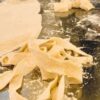
Many travellers choose a handmade pasta class in Italy to learn traditional techniques firsthand. Pasta-making class types generally fall into a few distinct categories.
Social, hands-on cooking classes
These experiences are relaxed and participatory. You work with the dough, shape the pasta, and share the meal afterwards. Wine is present, conversation flows easily, and the atmosphere feels informal and human.
Formal culinary school environments
These classes focus more heavily on technique and instruction. They can be ideal for travellers interested in a deeper technical understanding, but they often feel more structured and less reflective of everyday Italian life.
Cooking inside local restaurants
This is often where Italy reveals itself most honestly.
You enter working kitchens, not demonstration spaces, as in our Florence cooking class and pasta-making class in Rome. You see how ingredients are handled, how timing works, and how recipes live within real places. The experience feels integrated into the city, not separated from it.
For travellers interested in authentic environments, this setting offers something deeper than instruction alone.
Food Tours in Italy: Not All Are the Same
Food tours also vary significantly in pace, depth, and intention.
Street food tasting tours
These move quickly between stops and offer a broad overview of local specialities. They are useful introductions, especially for visitors with limited time. Portions are smaller, so is the wine quantity.
Food and wine experiences focused on tastings, fine wines and sit-down meals.
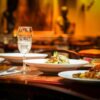
These types of tours unfold slowly, inside restaurants, wine bars, and neighbourhood establishments where locals actually spend their evenings.
These experiences offer more context, more conversation. They give a clearer sense of the importance and meaning of food and wine in daily life. As seen in our food and wine tour in Florence, and Rome food tour experiences, where guests enjoy traditional dishes, regional wines, and a full sit-down dinner inside authentic local establishments.
In cities like Florence and Rome, food and wine are not separate from culture. They are part of its structure.
What Makes the Difference Is Often Invisible
When we cut out the loud marketing noise: Best Tour, Book Here, we can actually notice that what matters is quite simple:
• small groups
• natural conversation
• experienced local hosts
• real restaurants, not staged environments
• time to sit, eat, and understand
When these elements align, the experience feels less like an activity and more like an evening that belongs to the place.
Reviews Reveal What Descriptions Cannot.
Reviews remain one of the most reliable ways to understand what an experience truly offers.
Look for patterns in how guests describe the atmosphere, the guide, and the pace of the evening. The emotional tone of reviews often reflects the reality more clearly than marketing language.
Experiences that guests describe as personal, generous, and relaxed tend to leave the strongest impressions.
Cooking Classes and Food Tours That Reflect Real Italian Food Culture
Across Italy, the most memorable cooking classes and food tours are those that remain connected to real kitchens, neighbourhood restaurants, and regional traditions.
For example, our Florence cooking classes and food tours take place inside working local restaurants, where guests cook, eat, and experience the city as it naturally unfolds.
In Rome, our Rome cooking classes and food tours follow the same principle, focusing on authentic Roman cuisine, local wine, and neighbourhood life.
These experiences are not demonstrations, but moments shaped by the rhythms of Italian food culture itself.
Choosing With Intention Changes Everything
Italy offers extraordinary food experiences. The key is choosing one that reflects what you want to feel, not just what you want to learn.
For some, that means technique. For others, it means connection, atmosphere, and a deeper understanding of place.
When the setting is right, the experience becomes part of the memory of the city itself.
– Katarina, your local guide