Milano Cortina 2026 Olympics: A Food Guide to Northern Italy
-
 City Food Guides
 -
 January 2026
Looking for where to eat during the Milano Cortina Winter Olympics 2026? This guide covers what visitors, fans, and food lovers should know, from Milan restaurants near Olympic venues to alpine specialties in Cortina d’Ampezzo.
Italian Alpine Food and the Milano Cortina 2026 Olympics
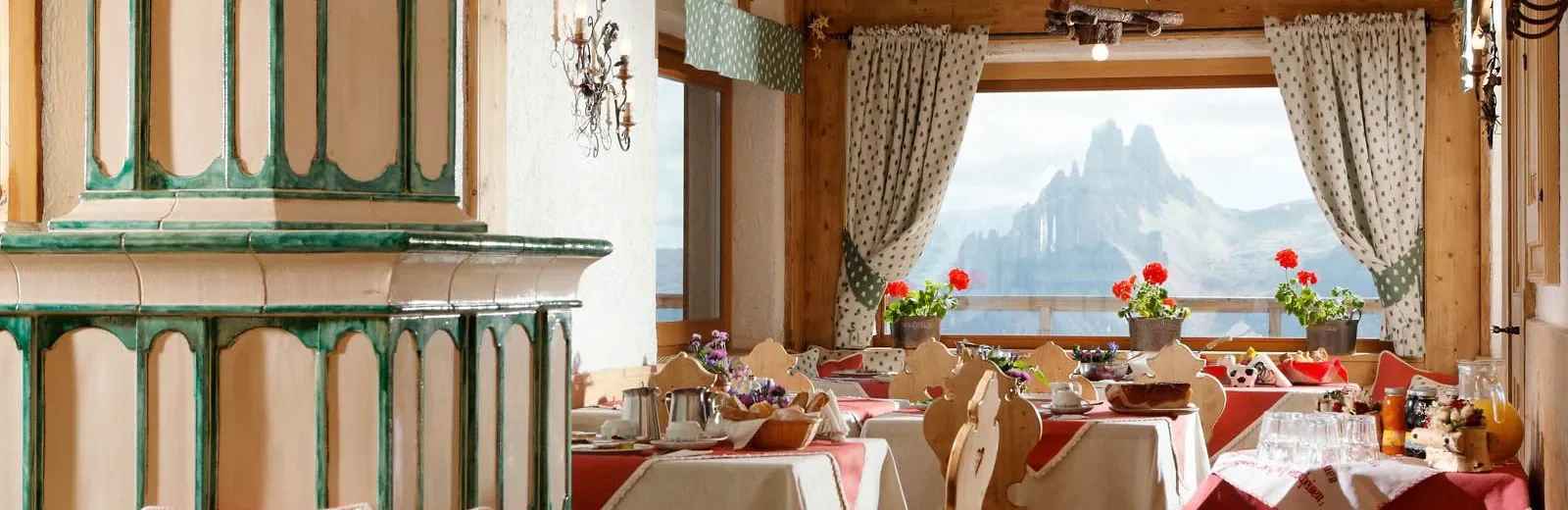
February brings Winter Olympics to Cortina; a captivating alpine town, often called the Jewel of the Dolomites. Nestled among breathtaking peaks, it will once again host Olympic competitions, just as it did in 1956.
During the 2026 Winter Olympics, Cortina will stage: alpine Skiing, Bobsleigh, Skeleton, Tobogganing and other. There is no doubt that Cortina knows how to host world class sports, with luxury hotels, cozy alpine lodges, and private mountain homes, but it also sparkles when the ski boots come off and the focus shifts to food.
The 2026 Games offer the perfect excuse to explore Italian food culture of the region.
Eating Well in the Dolomites During the Games
A well-earned treat after a day on the slopes

Cortina is a place where food is built for cold weather, big appetites, and long meals; a curious fusion of Venetian tradition and Tyrolean influence. Here you can enjoy butter, mountain cheeses, speck, sausages and slow cooked stews that keep you warm.
Among the most iconic dishes are canederli: bread dumplings made with speck, cheese, or spinach, served in broth or with melted butter. Then there are casunziei, a type of ravioli filled with beetroot, buttered and seasoned with cheese.
For something warming, you’ll find rustic soups like minestra d’orzo (barley soup) or the spiced gulaschsuppe, a Hungarian-style meat stew: one of the local favourites.
Main courses are rich, flavourful and not for those on diet: wild boar served with cranberries, Gröstl, a pan-fried mix of potatoes and pork, polenta, paired with melted cheese and sausages.
Then, of course, we’ll look for something sweet: apfelstrudel, tirtl or fartaies: traditional sweets made for cold weather and second helpings.
Milan: Comfort Food with a Twist

Milan doesn’t always match the postcard version of Italy that many travellers expect. Often labelled as grey, business driven, or overly modern, it’s commonly overlooked as a food destination. The city’s international crowd and global food scene don’t help its case.
With sushi bars, burger places, and fast food spots on nearly every corner, Milan can feel more like a financial capital than a culinary destination.
For years, the conversation around its food rarely went beyond risotto alla Milanese, a mention of ossobuco, and the unavoidable panettone.
Yet beneath the polished surface, the city reveals a surprisingly warm turn of mind. Its foodways reflect decades of migration, cultural exchange, and an easy local sense of elegance.
Milanese cuisine is comforting, convivial and confident: ideal for winter dining during the Olympics.
Where to Eat (and Cook) in Milan

Near the Duomo you will find Risoelatte: a 60s-themed restaurant serving up more than nostalgia. Don’t miss the restaurant’s signature dish, Riso e latte.
It comes in both a savory version, arborio rice with Parmigiano, and a sweet one, a delicate rice pudding.
Currently trending spot in Milan is Cucina Franka, an informal, laidback place for those who appreciate good bite. The menu is designed around about ten plates meant for sharing and is mostly vegetable-based.
Moving to Isola district, you will find the Orecchiette e Vino. A family run restaurant where you can dive into tastes of Puglia, or join our Milan cooking class and make your own meal.
If you’re more in the mood for a good pint and a bite, check out Largo, Chuck’s, or L’Importa. You won’t be disappointed.
Since 1969, Picchio, a charming local bistort that barely changed since then, stands for one of Milan’s most treasured aperitivo spots. I would definitely make sure to grab a Spritz there!
Milan has a whole district dedicated to serious dining, where elegant restaurants line the streets. If you’re up for a little adventure and choosing where to eat with your heart, Via Valtellina is the place to wander and discover.
Beyond Milan and Cortina: Coming for the Olympics, Staying for the Food

The Olympics will bring Northern Italy into focus. Coming for the Games can easily become the perfect excuse to stay a little longer. It’s also a great opportunity to explore nearby regions like Veneto and Tuscany.
Winter is a wonderful time to visit cities like Venice and Florence. Accommodation is often more affordable. Museum lines are shorter, and dinner reservations don’t need to be made a week in advance. We often argue over which city is more beautiful,but I’ll leave that debate to you.
If you’d like to experience either city through its food, joining a cooking class or food tour is a natural place to start.
It’s a way to step into local traditions, learn a few recipes, and taste everyday Italian life.
The Milan–Cortina Olympics 2026 will celebrate sports, but here in Italy, we celebrate food: every day.
– Katarina, Cooking Italy
Related from the blog
Explore our in-depth travel and food guides

Florence Food Guide: What to Eat, Drink & Experience Like a Local (2026)
This Florence food guide explores what to eat in Florence, where locals actually go, and how to experience the city through its traditional dishes,...
Read Article