A Very Tuscan Christmas: What Traditionally Appears on the Table on Christmas Day
Discover what Tuscans eat on Christmas Day, from crostini neri to rich broths, roast meats, sweets, wine, and the laughter that fills the table.
Christmas in Tuscany has never been about perfection or spectacle. Time, habit and food prepared the same way year after year shape it. The Christmas table is not ment to impress; family bring it together slowly, dish by dish, recipe by recipe, often following traditions that stretch back generations.
In many Tuscan families, this sense of memory is quite literal: a handwritten recipe book, passed from mother-in-law to daughter-in-law, marked with olive oil stains and notes made by feel rather than measurement. On Christmas Day, it lies open in the kitchen, quietly guiding the meal.
The Meal Begins: Crostini Neri
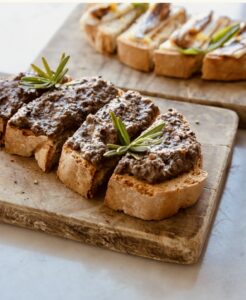
No Tuscan holiday table would feel complete without crostini neri. Tuscans prepare this humble yet deeply flavourful starter with chicken liver pâté spread over slices of bread, and every family swears theirs is the best.
Each household prepares it a little differently. Some keep it simple, using only chicken liver, onion, capers, and anchovies. Others add spleen or extra aromatics for a stronger flavour. Even the bread sparks debate: toasted, or softened briefly in warm broth.
On festive occasions, tradition allows small indulgences. In some families, the bread gets a lightl dip in vin santo before the creamy liver spread goes on, a small luxury that turns a rustic bite into something festive and unforgettable.
Tuscans pass plates quickly, pour the wine early, and launch into lively conversation almost at once.
The First Course: Broth That Warms the Heart
Christmas lunch in Tuscany nearly always includes a rich broth, a dish that reflects patience and craft.
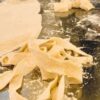
Traditionally, families made broth from cappone, a capon valued for its rich, flavourful meat. Today, many families prepare a beef-based version, often with handmade pasta. However, despite common belief, tortellini are not Tuscan in origin; they belong to Bologna. Instead, in Tuscany, the pasta floating in the broth would more likely be tagliolini or another hand-cut shape.
The bowls are cleared without ceremony, often accompanied by memories of grandparents who were said to make it best. Someone asks for more wine. And so, the meal moves forward.
The Main Course: Roasts, Herbs, and a Slow Oven
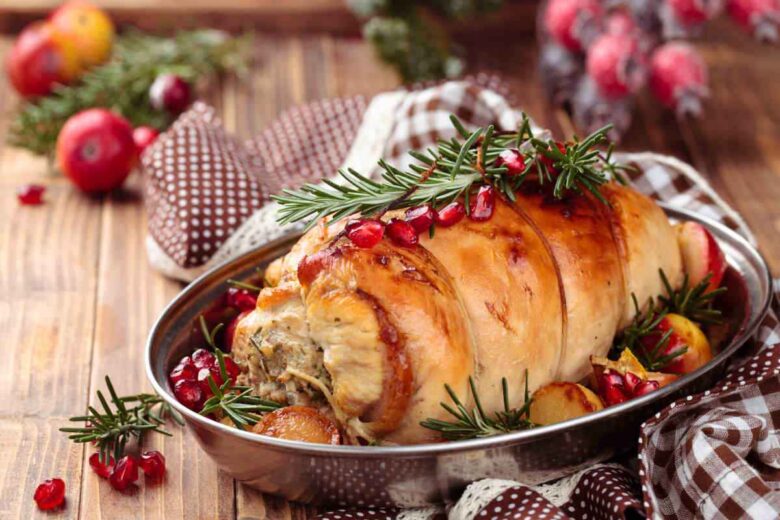
After the broth comes the heart of the meal: arrosto, or roast meat.
In the past, chicken was not everyday food. Families once treated chicken as luxury reserved for special occasions, which is why Christmas was one of the few times they roasted free-range chicken or a capon. Cooks keep the seasoning is restrained: rosemary, sage, garlic, olive oil, and the cooking is unhurried.
Depending on the region, the table may also include guinea fowl, pigeon, or thrush, dishes now rarely prepared outside of holidays. Fegatelli, pork liver wrapped in caul fat, may appear as well, rich and unmistakably Tuscan.
Regional Variations Across Tuscany
Tuscany is not a single kitchen; it is many.
On Monte Amiata, Christmas menus may include lumache, slow-cooked snails tied to rural tradition. Along the coast in Livorno, families often gather around cacciucco on Christmas Eve. While usually made with leftover fish, the holiday version uses prized catches, marking the day as special.
Vegetables: Always Present, Never Central
Vegetables play a supporting role. Rosemary-roasted potatoes reign the undisputed favourite: crisp on the outside, soft inside, and never quite enough. Other contorni may appear, but they rarely steal attention from the main dishes.
Desserts: Regional and Seasonal
Desserts reveal the strongest regional differences.
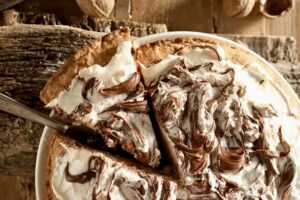
Before panettone and pandoro became widespread, families made Christmas sweets were made at home, using what was locally available. In Grosseto, people traditionaly ate boiled chestnuts on Christmas Eve. In Porto Santo Stefano, pagnottella di Natale, a dense bread filled with dried fruit and nuts, marked the holiday. On Monte Amiata, ricciolina, a layered cake with chocolate, nuts, and meringue, brought the meal to a close.
Some of Tuscany’s best-known sweets were once reserved for this time of year. In Siena, families considered panforte and ricciarelli true Christmas luxuries. In rural areas, Tuscans baked cavallucci: spiced cookies dense with dried fruit, meant to last through winter. Around Livorno and in northern Tuscany, families prepare befanini, sugar cookies traditionally gifted on January 6th, the day of the Epiphany.
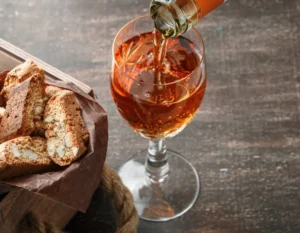
All desserts are served with vin santo, poured generously and often described, half-jokingly, as medicinal.
The Final Moments: Fruit, Nuts, and Coffee
The meal ends without formality. Dried fruit, nuts, oranges, and dates are placed on the table, once symbols of prosperity and abundance. In some families, the Epiphany carried more importance than Christmas itself. Families kept decorations modest. One elderly Tuscan recalled Christmas trees decorated with oranges and walnuts, intended to be eaten later.
Conversation grows louder. No one checks the time.
More Than a Meal
A Tuscan Christmas table is not about courses or rules. It reflects continuity, care, and habits repeated quietly over time. Each dish exists for a reason, shaped by place, history, and circumstance.
Understanding these traditions becomes more meaningful when experienced firsthand. Joining a pasta making class Florence or a small-group food tour allows travellers to step inside local kitchens, meet the people behind the recipes, and truly learn to cook Italian food the way it has been prepared for generations..
Florence’s food traditions reflect centuries of local culture. Our complete Florence foodie guide explains where locals eat and what to try.
Shared with appetite,
Katarina Pavicevic